
When I first went to the village — my Bundus — it was to research grassroots communities: their lifestyle, and the relationship between people and the environment.
At the time, I was already working within the environmental and development space, where a common narrative had began — that grassroots communities often failed to engage in climate action because of ignorance or lack of awareness.
I became curious about how true this claim was, and set out to map communities I could study more closely. That’s how I ended up in rural Kilifi.
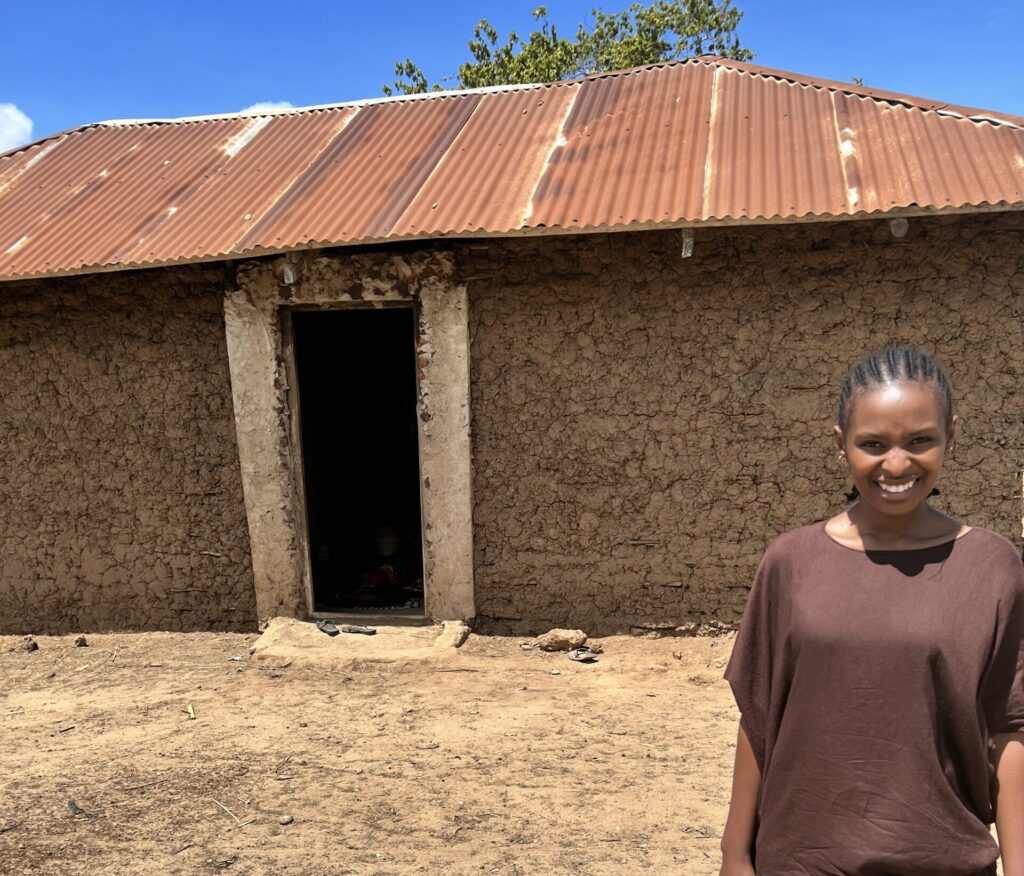
My interest was drawn to a contradiction. The community actively participated in deforestation and charcoal burning, yet at the same time spoke passionately about the impacts of climate change — especially as rain dependent farmers navigating low rainfall, failing seasons, and occasional floods that triggered climate mobility.
I went to observe more closely.
Somewhere along the way, the focus shifted.
I found myself studying human behavior.
In semi-arid lands, survival teaches creativity. People learn to spare water, read wind, and negotiate droughts and debt. Hard places produce intelligent people. But they also produce coping systems — and sometimes, those coping systems quietly become cages.
There is a kind of poverty that comes from lack.
And there is a kind that comes from performance.
This is about the second one.
The Survival Script
In my community, having lived long with scarcity, external help has become part of the ecosystem. NGOs, government programs, donors, researchers, and resilience projects arrive with proposals and leave with reports. No community ownership to projects so failing, unfortunately also due to no long term visions but instant gratification.
Over time, the community has learned something subtle: development is not just something you receive — it is something you must appear to deserve.
So people learn the script.
To appear needy, but organized.
Grateful, but helpless.
Hopeful, but incapable.
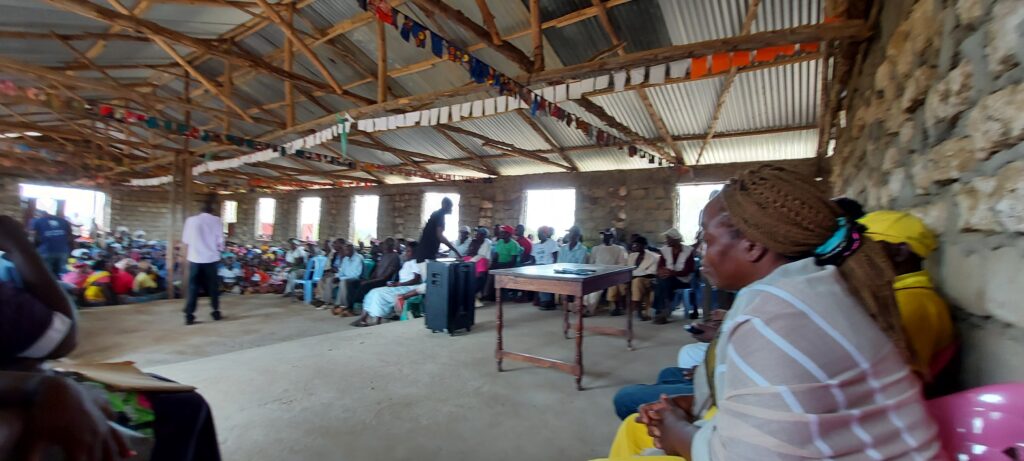
Not because people are foolish, but because historically, this posture has worked. It unlocks resources.
And so poverty becomes negotiated.
Performative Poverty
I began noticing patterns.
And the community absorbed the wrong lesson: development is not built — it is captured.
This is performative poverty — a costly survival tactic. Costly because while it may bring short-term aid, it quietly blocks long-term transformation.
The Political Economy of Stagnation
Sustainable progress depends on cooperation. Water systems require trust. Land restoration requires patience. Climate adaptation requires collective restraint.
But cheap politics thrives on urgency and division.
So every few years, the cycle repeats:
A project arrives.
Expectations rise.
Factions form.
Leaders compete.
Distrust spreads.
Implementation weakens.
Failure is blamed externally.
And the cycle repeats.
The land remains dry.
But the reports remain successful.
Certain families accumulate influence — sometimes through reimbursements, sometimes through development meant for the community quietly becoming personal gain.
Meanwhile, the community gains very little beyond frustration and distrust toward development organizations. Over time, this has hardened into entitlement. When a meeting is called, the first question becomes about sitting allowance — before even understanding the purpose.
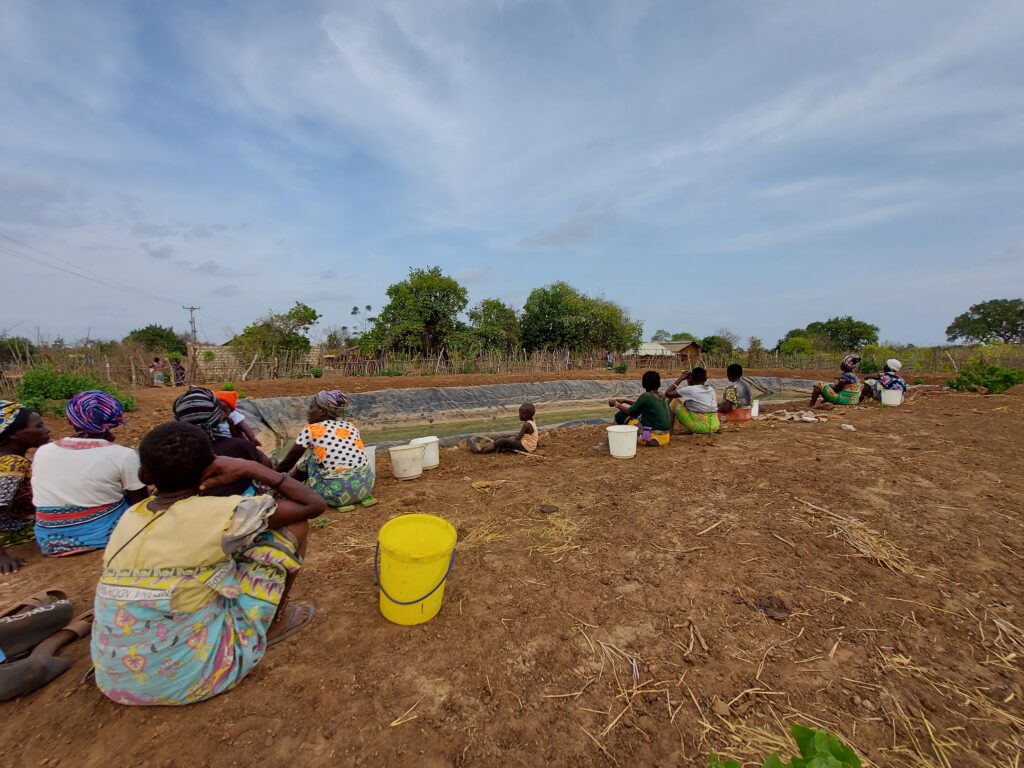
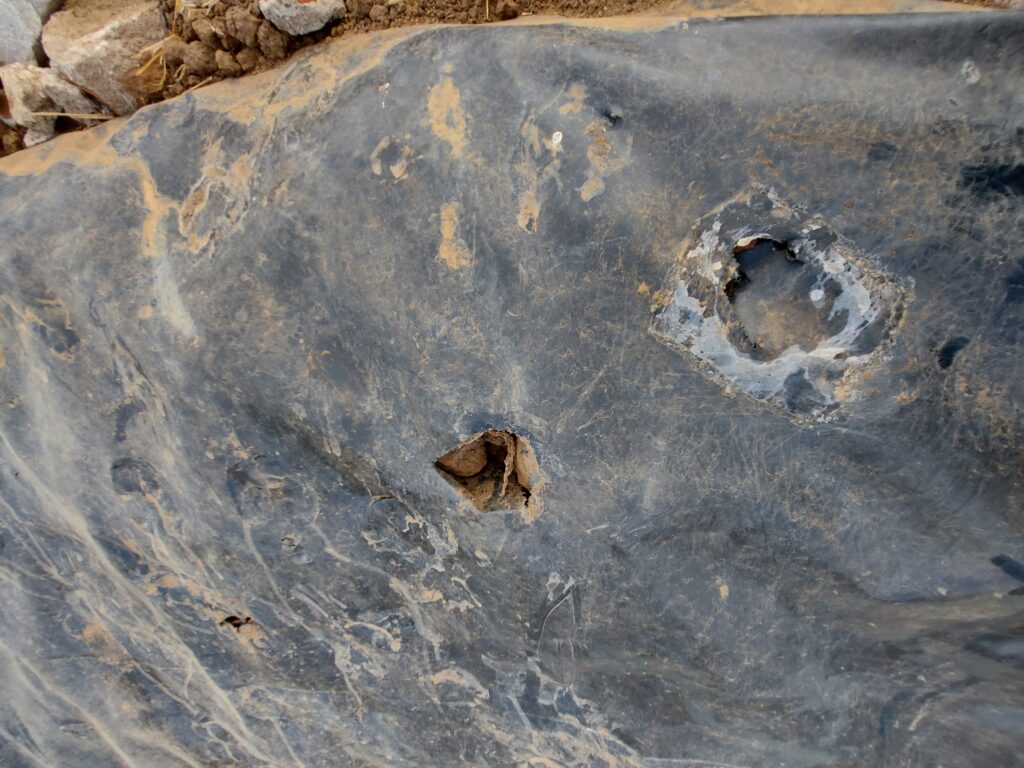
What looks like ignorance is often incentive. And sometimes, strategy.
My Discomfort
I came thinking I would help build programs.
Instead, I have learned to stand slightly outside them.
I am choosing something more uncomfortable: to be an honest storyteller within the community.
Not a critic from afar.
Not a savior from above.
But a witness who refuses the script.
A community liaison and bridge — hoping to guide a shift toward systems and mindset change, toward development that is actually sustainable.
Because the hardest truth is this:
Sometimes communities sabotage their own development — not intentionally, but protectively. Change threatens social balance. Sustainable systems redistribute power. And people often fear losing what they understand more than they desire uncertain improvement.
So I cannot simply teach.
I have to live differently, in public.
Leading by Example
I am discovering that demonstration works better than persuasion.
If transparency is rare — practice radical transparency.
If leadership is performative — practice quiet competence.
If dependency is rewarded — model independence without isolation.
Not loudly. Not heroically. Consistently.
Parallel building.
Creating working systems beside broken ones, so people can compare without feeling attacked.
Because people rarely change when corrected. They change when they see that a softer life is possible.
What I Want to Redesign
Not just projects.
But the psychological contract of development.
I want communities to show up for their own future — not as applicants, but as partners.
I want funding to support ownership, not dependency performance.
I want representation to be negotiated honestly — not theatrically.
I want development to mean:
More maintenance.
More ownership.
More responsibility.
More durability.
The Frustration
The most exhausting part is not poverty.
It is watching cycles repeat — often benefiting specific groups or families while exhausting everyone else.
Ignorance is rarely empty. It is often maintained.
And calling it out makes you suspicious.
You become “difficult.”
Or “proud.”
Or “different.”
Sometimes even unsafe.
So I am learning — and choosing — a delicate balance: to tell the truth carefully, build quietly, and document faithfully.
The Change-Maker I Am Becoming
Not an activist shouting.
Not an NGO chasing projects.
Something else.
A community journalist — documenting honestly.
A consultant — armed with information.
An advocate — negotiating fair terms externally.
A practitioner — implementing transparently when possible.
And above all, someone who refuses to perform poverty — even when it would be advantageous.
Because we deserve dignity — and dignity is developmental infrastructure.
The Real Cost
Performative poverty attracts aid.
But it repels transformation.
It keeps communities legible to donors — and illegible to themselves.
And in semi-arid lands, we cannot afford illusions anymore. Climate change will not negotiate with politics. Soil will not regenerate through speeches. Water will not flow through reports.
I once believed development begins with funding.
But I have come to see that it begins with maturity — the moment a community decides it wants a better life more than it wants familiar roles.
Until then, projects will come and go.
And the drought will remain — both environmental and social.
So here’s to trying.
Here’s to systems change.
#BundusBabeJourney #BundusBabeJournal